For preppers, alternative investments are not just about financial returns but also about resilience, control, and long-term security in uncertain times. Traditional stocks and bonds can feel fragile during periods of inflation, supply-chain disruption, or political instability, so many preppers look for assets that combine cash flow, tangible value, and practical utility. Alternative investments can serve as both a hedge against systemic risk and a means of generating income that supports a self-reliant lifestyle.
Hard Assets
 Real assets are often at the top of the list, with real estate being one of the most attractive options. Within real estate, mini storage facilities have gained particular attention among preppers due to their relatively low operating complexity and steady demand. Mini storage cap rates are often higher than those found in residential or commercial office properties, especially in secondary or rural markets, making them appealing for investors focused on cash flow. Storage units also benefit from economic stress rather than suffering from it, as downsizing, relocations, and business contractions often increase demand. For preppers, storage properties can double as secure space for equipment, supplies, or barter goods while still functioning as an income-producing asset.
Farmland and timberland are another class of alternative investments that align closely with preparedness values. Productive land offers intrinsic utility, whether for food production, livestock, or renewable resources such as firewood. Unlike paper assets, land cannot be wiped out by a market crash or cyber event. Well-managed farmland can generate lease income while also serving as a fallback for food security, and timberland provides both long-term appreciation and a renewable material resource. These assets tend to perform well during inflationary periods, preserving purchasing power over time.
Precious Metals
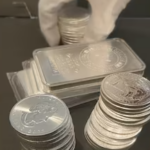 Precious metals remain a cornerstone alternative investment for many preppers. Gold and silver offer portability, durability, and a long history as stores of value during currency instability. While they do not produce income, metals function as financial insurance and can be used for wealth preservation or potential barter in extreme scenarios. Some preppers diversify further into industrial metals or strategic materials that may see increased demand during infrastructure or energy transitions.
Private, Skill-based Business
 Private businesses and skill-based investments are also worth considering. Investing in or owning a small, essential-service business—such as vehicle repair, water treatment, food processing, or trades—can provide income while embedding the investor in the local economy. These businesses often remain viable even during downturns and allow preppers to convert skills into value when formal employment markets weaken. Similarly, investing in tools, equipment, and training can yield long-term returns by reducing dependency on external services.
Decentralized and nontraditional financial assets may appeal to preppers seeking flexibility and sovereignty. This can include peer-to-peer lending, private notes secured by real assets, or carefully selected digital assets held with strong security practices. While these options carry higher risk, they offer diversification away from traditional financial systems. When combined with tangible investments like mini storage facilities with attractive cap rates, land, and precious metals, alternative investments can form a balanced strategy that supports both financial independence and preparedness in an unpredictable world.