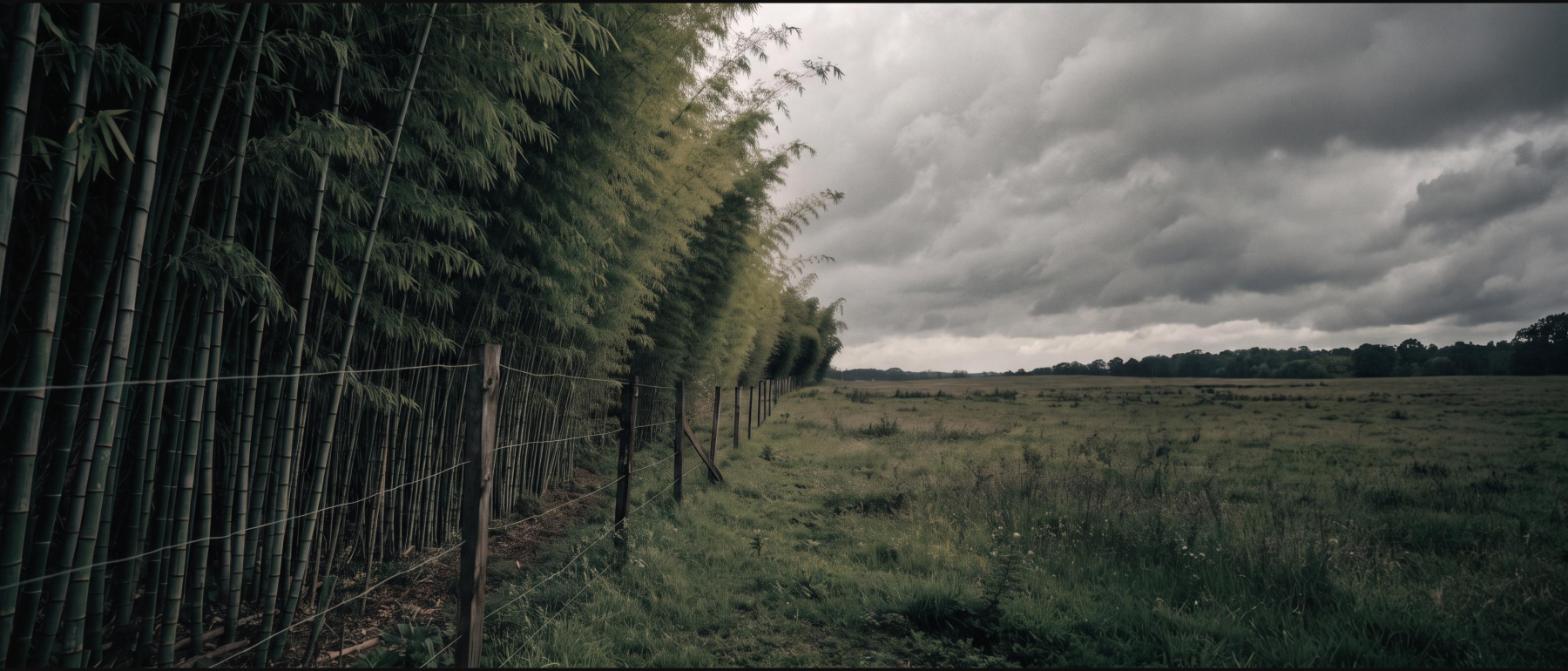
Timberland shows up on most preparedness investment lists for a reason: it appreciates, it produces a renewable material, and it cannot be deleted by a market event. Bamboo belongs in the same conversation but operates on a very different timescale. A managed stand can produce usable poles in three to five years rather than thirty, on a fraction of an acre.
The catch is that bamboo comes in two forms with opposite risk profiles, and choosing wrong is one of the few property decisions that is genuinely expensive to reverse.
What a Stand Actually Produces
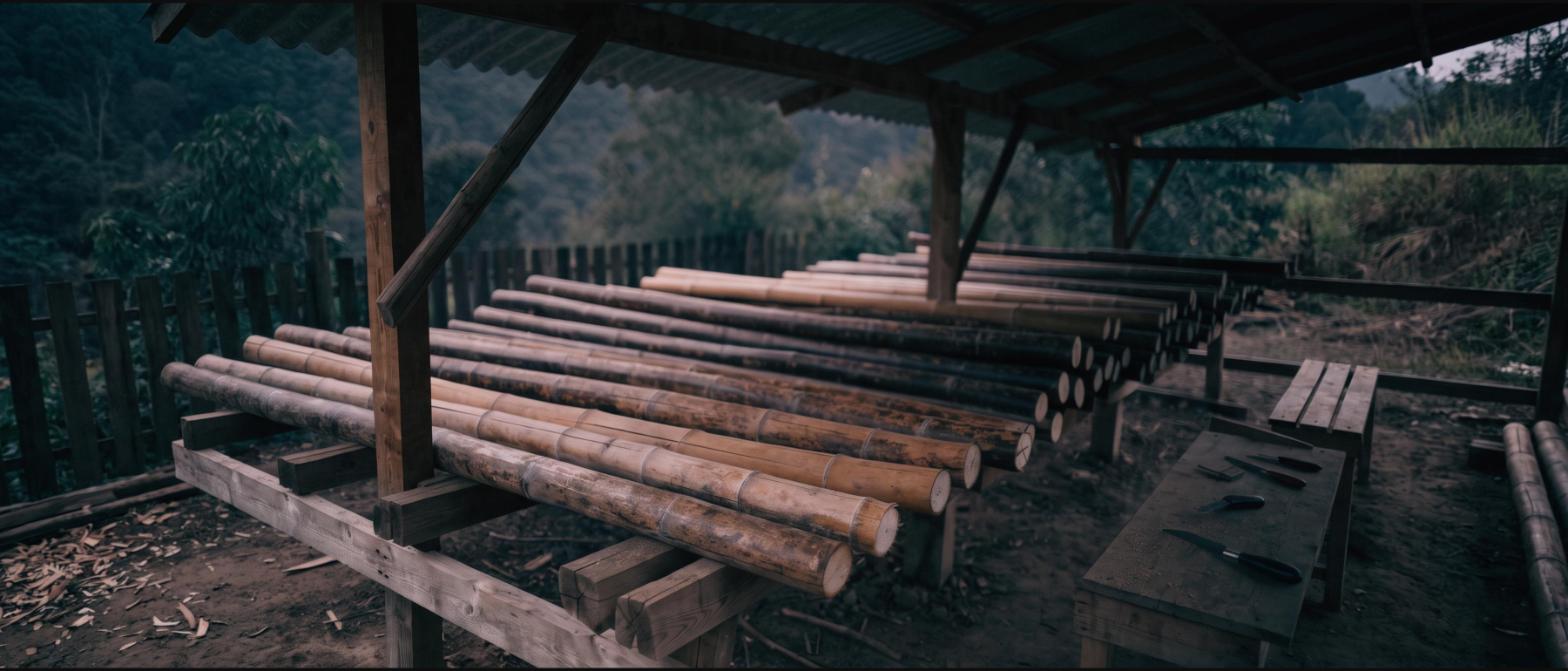
Poles for fencing, trellis, hoop house frames, tool handles, scaffolding, gate repairs and animal pens — the constant small material demand of any working property. A mature clump can be thinned annually without harming it, and thinning improves pole quality. Harvest in winter when starch content is lowest, then dry under cover for a month or more; untreated poles stored dry will last years, and borax treatment extends that further.
It is also a serious visual and physical screen. A dense stand stops a sightline better than most fencing and costs nothing to maintain once established.
The Two Types, and Why It Matters Here
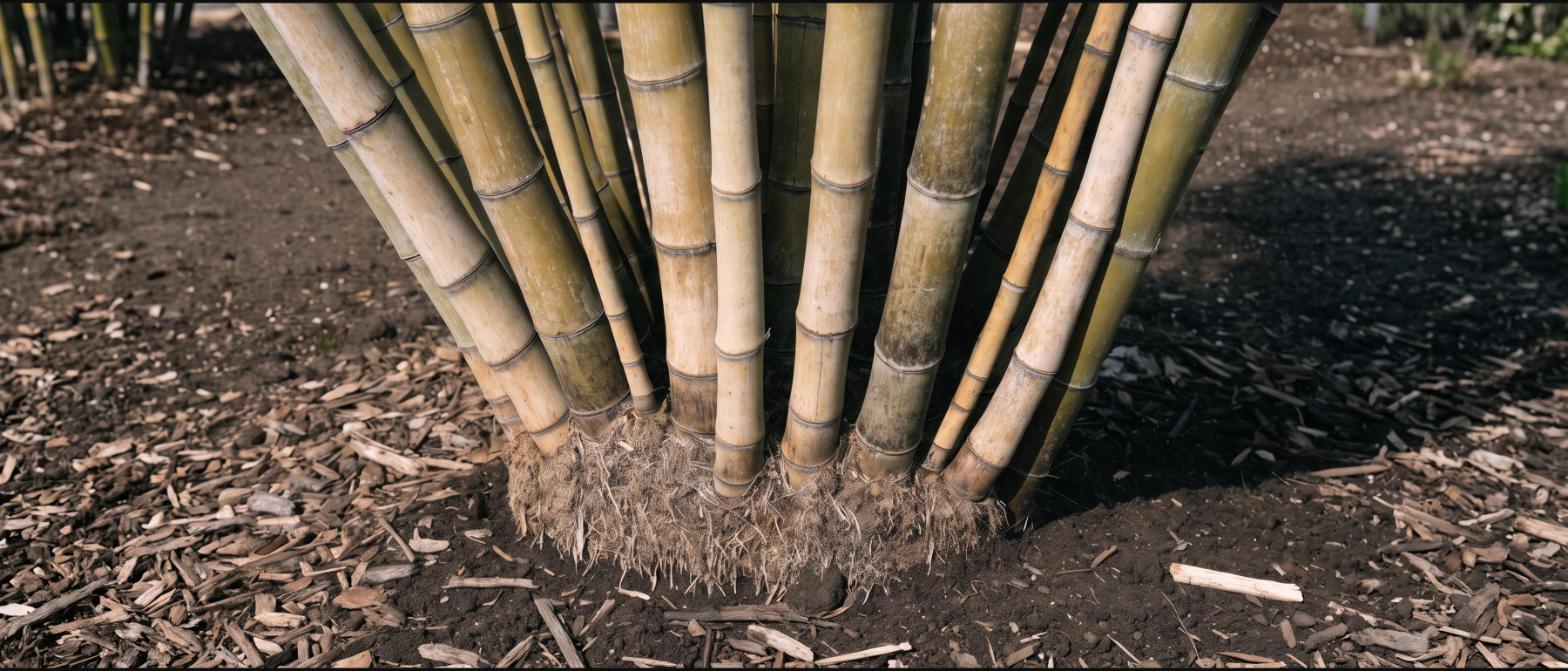
Running types send out long underground rhizomes and colonise outward — tens of feet a year in good conditions, through a neighbour’s fence line, into a septic field, into pasture. Clumping types expand a few inches a year from a tight crown and stay put.
The distinction is not aesthetic. Several US states and many municipalities now regulate running bamboo, and some hold the planter liable for spread onto adjoining land. That turns a self-reliance project into a legal exposure. Removing an established running stand means excavating rhizomes repeatedly over multiple seasons — there is no single treatment that ends it.

Watch: Running vs. Clumping Bamboo Rhizomes — What’s the Difference? (YouTube)
Anyone weighing clumping bamboo vs running should treat the question the way they would treat any irreversible site decision: the one that can be undone is the one to pick, even if it grows slower.
Honest Limitations
Cold is the real constraint. Most large timber-grade clumping species are hardy to roughly zone 7, and the hardiest clumpers — Fargesia and relatives — top out around 12 to 16 feet with thin culms better suited to stakes than structure. North of that, bamboo is a screen and a stake crop, not a pole crop, and honest planning should say so.
Nursery stock is not cheap either, and you are buying time to establishment more than plants. But once a clump is established, it produces indefinitely with no inputs, no replanting and no supply chain. Few tangible assets on a property do that.